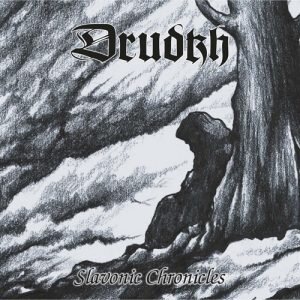
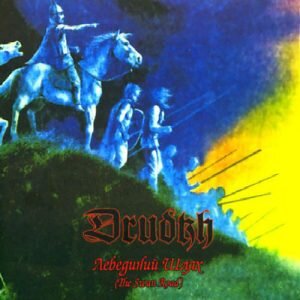
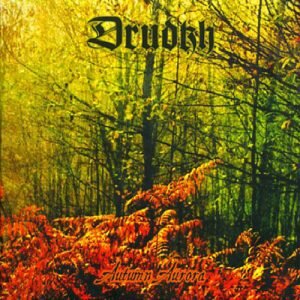
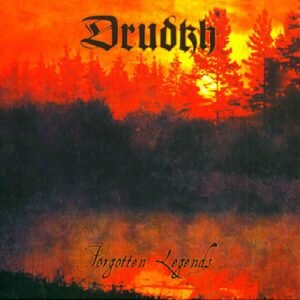
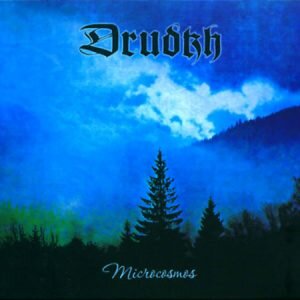
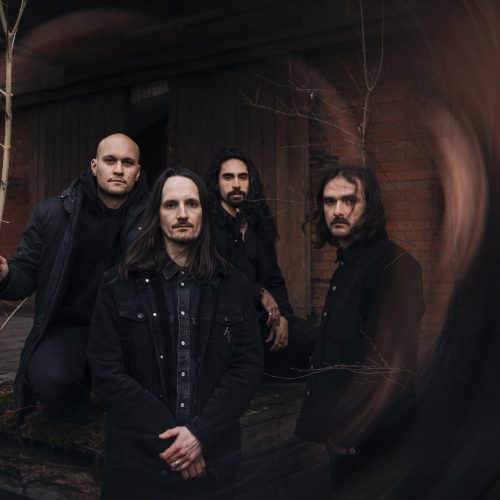
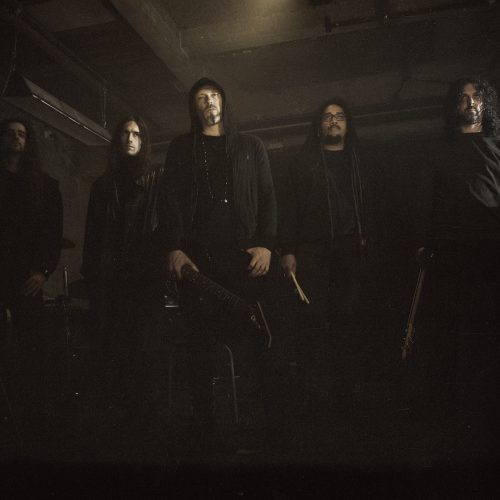
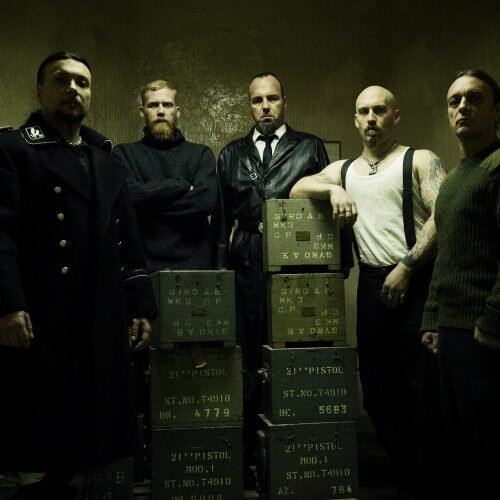
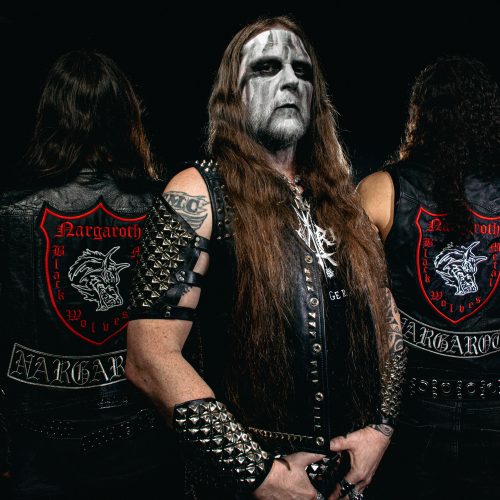
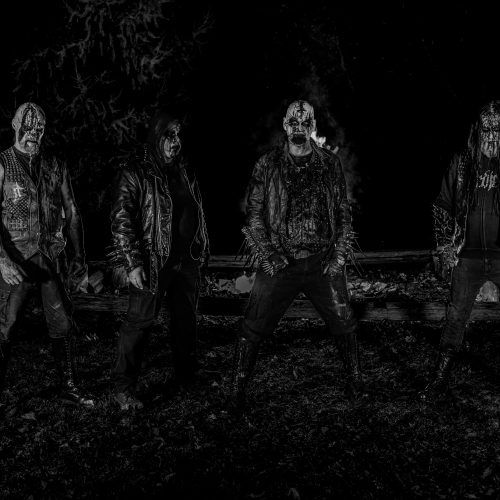
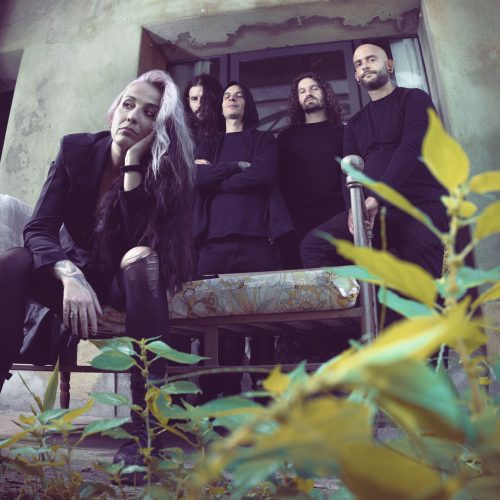
DRUDKH are founded in Kharkiv, the second biggest city of Ukraine in the year 2002, when guitarist Roman Sayenko and singer/guitarist Thurios begin to compose music that does not fit their band HATE FOREST. On DRUDKH's debut "Forgotten Legends" (2003), which consists of three epic tracks, they create a trademark sound which is later branded as Slavonic Pagan Metal. The Ukrainians embrace epic folk-influenced melodies and create cinematic and luxuriant atmospheres charged with bitterness, melancholy and sorrow. Lyrically creative figurehead Roman Sayenko delves into nature mysticism, the passing of seasons, philosophy, Ukrainian mythology, legends and history – often inspired by the works of nineteenth and twentieth century Ukrainian poets.
DRUDKH's second full length "Autumn Aurora" (2004) can be seen as the very opposite artistic approach to the anger and bereavement that speaks out of HATE FOREST as this atmospheric masterpiece creates visions of eastern landscapes and seasons in cinematic colours before the inner eye.
While melodies and rhythms inspired by Slavic traditions have already been inherent in DRUDKH's music right from the beginning, their third album "The Swan Road" (2005) for the first time contains clear references to traditional folk music. Simultaneously the sound takes on a more aggressive stance. This intense urgency is born out of Roman's choice of topic. Lyrically this album is inspired by the poem "The Haidamaky" (1841) by Taras Hryhorovych Shevchenko (1814-1861), who has been called "the founding father of Ukrainian literature".
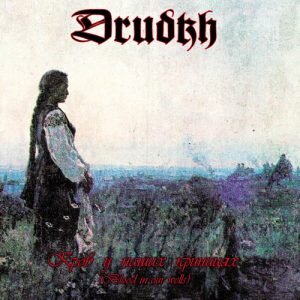
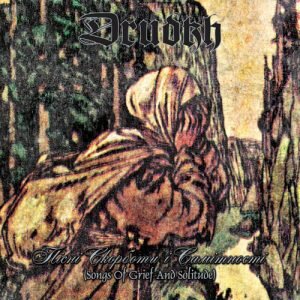
DRUDKH continue lyrically on their patriotic path with the following release "Blood in our Wells" (2006), which witnesses an increase in the use of progressive elements and classical Heavy Metal influences. In the same year the Ukrainians surprise their adherents by a melancholic, entirely instrumental and partly acoustic album derived from their country's traditional music as well as their own compositions named "Songs of Grief and Solitude" (2006).
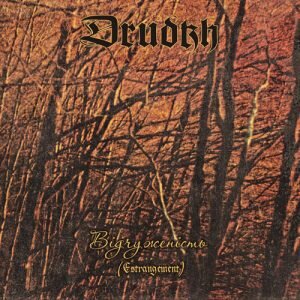
As DRUDKH reveal their deep Folklore roots long before the current trend, some of their followers express fears that their favourite band might have left the ways of Black Metal for good. Yet those anxieties are soon laid to rest by the sixth album "Estrangement" (2007), which has the Ukrainians returning to a harsh and barren Black Metal sound including blast beats for the first time. This clear step back to basics has already been forestalled by the earlier release of the EP "Anti-Urban" (2007), which also incorporates some extreme doom influences.
By now DRUDKH have acquired a remarkably loyal and strong fan base, but also a false reputation of promoting political extremism that is nowhere reflected in the band's lyrics and music. The sources of these rumours are interested parties, who try to abuse DRUDKH for their own agenda as well as a sad ignorance of Ukrainian history, but also unfortunate miscommunications caused by an Eastern European band often unaware of the fineries and taboos of the West and especially Germany. Therefore Roman Sayenko feels the need to break his expressed silence, when signing to Season of Mist to clearly outline his position for once and all in a public statement: "During all its history, the band followed a 'no photos, no interviews, no website, no gigs' policy, which was nobly accepted by DRUDKH's new label Season of Mist. The absence of any comments or information from DRUDKH's side gave an opening to a few ignorant internet warrior-fans to spread rumours, that the band embraces some extreme political views. This is absolutely misleading and a total profanation, since there is nothing in DRUDKH's music or lyrics that would suggest any political outlook. DRUDKH praise individualism, self-improvement and estrangement from modern values."
The Ukrainians' first album on Season of Mist "Microcosmos" (2009) stands firmly in the tradition of their earlier work, yet at the same time takes a big step. Deep melancholy and ancient longing permeates the heart and soul of DRUDKH's music once as "Microcosmos" captures that precious essence of sadness in their individual brand of Slavonic Heathen Metal. Its highly atmospheric songs enthused critics and adherents alike with this magical album appearing on many a Best of 2009 list at the end of the year.
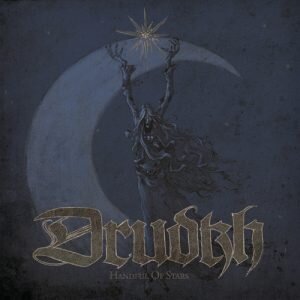
The cooperation between Season of Mist and DRUDKH deepens as the band chose their new label to re-release all their previous albums in the months before their next masterpiece is unleashed unto the expectant world. Once this project is finalised in June 2010, the Ukrainians surprise their massive fan base again with another unexpected twist in musical direction. Following their expressed values of individualism and self-improvement “Handful of Stars” witnesses the band moving into a more atmospheric and progressive direction, while keeping and even expanding their unique sound. Lyrically DRUDKH take their inspiration mainly from the lyrics of Ukrainian poets Oleksa Stefanovych and Svyatoslav Gordynskyj on “Handful of Stars”.
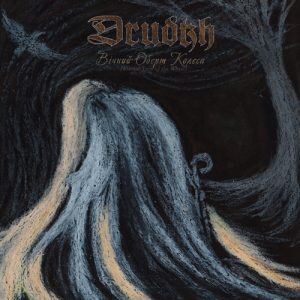
With “Eternal Turn of the Wheel” DRUDKH are now returning to their black roots. In an ever evolving metamorphosis the Ukrainians take several steps back from the sound of their previous release “Handful of Stars” (2010), which took a more progressive and lighter direction. “Eternal Turn of the Wheel” owes deeply to their early legacy from the Nordic Black Metal inspired debut “Forgotten Legends” (2003) via the cinematic soundscapes of “Autumn Aurora” (2004) to the traditional influences rising on “The Swan Road” (2005). Instead of re-discovering Ukrainian poets, mastermind Roman Sayenko also relies on self-penned lyrics again with each song representing a season.
To their dedicated following this change does not come as a surprise as DRUDKH took many turns in their career since their inception in 2002. Not wanting to take his band further down the progressive road, Roman Sayenko founds OLD SILVER KEY and enlists vocalist Neige (ALCEST) in order to pursue that path. With all Seventies Rock elements out of the equation again “Eternal Turn of the Wheel” comes as a logical step. DRUDKH rediscover the dark harsh melancholy that permeates their music, which is often dubbed Slavonic Heathen Metal. This perfect soundtrack for a harsh winter will slowly reveal ever more of its secrets with each fresh spin. Drown all light and listen.
Tio år efter starten släpper Ukrainas pagan black metal-stolthet Drudkh sitt nionde fullängdsalbum, ”Eternal turn of the wheel”. Efter ett par år i en segdragen formsvacka lyfter sig Kharkivkvartetten i håret genom att ta ett par steg bakåt, till det ursprungliga sound som otvetydigt varit det vassaste de hittills lyckats åstadkomma. Nu har de plockat upp den tråden men samtidigt lagt mycket av de folktoner och soloutflykter som utmärkte bland annat ”Autumn aurora” och ”Blood in our wells” åt sidan. Detta till förmån för utdragna, repetitiva passager med becksvarta riff som på ett suggestivt sätt mal ner alla försvarsmekanismer hos lyssnaren. På ett hypnotiskt vis dras man som lyssnare obönhörligen in i ”Eternal turn of the wheel”:s kalla och ogästvänliga värld; Man känner hur den melankoliska atmosfären smittar av sig och impregnerar ens väsen utan att man har en minsta chans att sätta till morvärn. I samklang med Thurios (sång/keyboard) plågade och smått desperata stämma påminner harmonierna och de subtila melodierna om bandets förstlingsverk ”Forgotten legends”. Uttrycket känns igen från både Burzum och Wolves in the throne room, men ändå främst från den norska episka skolan. Till skillnad från till exempel Burzum eller liknande ambient black metal har Drudkh ett underskott av väl underbyggd struktur i sitt material. Det gör att den trollbindande essens, som utgör kärnan i sceneriet som målas upp, blir allt för tunt och transparent i jämförelse med den expressiva förmågan att uttrycka sig Drudkh tidigare visat prov på. ”Eternal turn of the wheel” är trots det en gripande upplevelse som man likt en sårskorpa inte kan avhålla sig från att klia på tills det återigen blöder.
Lars Ekenryd
Metal Hammer 8/10 - UK - Mar 2012
Wistful Ukranians black metallers return to form
Alongside Burzum, Drudkh are frequently name checked as a black metal band whose work and stature allow their music to be separated from any alleged dubious political backgrounds regarding the musicians involved. 2010’s Handful Of Stars, though far from a terrible album, was certainly one of the group’s weaker moments and thus rather threatened to undermine that status. Thankfully Eternal Turn Of The Wheel sees the band return to form, the five songs (and one introduction piece) that make up its 36 minutes of playing time injected with the haunting sense of yearning that has made albums like Blood In Our Wells so essential. With the hypnotic song structures of Burzum, and a touch of countrymen Nokturnal Mortum’s fascination with folk and acoustic guitars, numbers such as When Gods Leave Their Emerald Halls revolve around densely-layered and earnest guitar work and steadily blasting percussion, lacing the results with simplistic synth lines and impassioned vocals, both courtesy of Roman ‘Thurias’ Blagih and both used sparingly, allowing the song to breathe. It’s a slow burner, to be sure, and thus more than apt for these cold winter nights.
Drudkh's latest album 'Handful Of Stars' turned out to be something of a wedge within their fan base. While some applauded the band's need to expand their sound, others found it uninspired and felt they were jumping the post black metal bandwagon. I personally enjoyed it, but the argument that they might have strayed from their roots a bit too far may have some truth in it. However, fear not because 'Eternal Turn Of The Wheel' is here now and is sure to convince even the most disillusioned fans out there that they're back.
On 'Eternal Turn Of The Wheel' Drudkh revisits the earliest releases of their discography. Stylistically it is very reminiscent of 'Forgotten Legends', 'Autumn Aurora' and 'The Swan Road'. Drudkh didn't half-ass it though, 'Eternal Turn Of The Wheel' sounds very inspired. Sporting a modern but organic sound (they never sounded better production-wise); the Slavic rendition of Burzum-styled riffs they are renowned for, are permitted to convey the atmosphere without hindrance. The songs on the album use repetition to create a feeling of longing and melancholy much in the same way their debut did, which isn't easy to accomplish. Yet the album doesn't feel as minimalist as 'Forgotten Legends' as the riffs are embellished with either subtle synths or (almost) frivolous cymbal work. This juxtaposition keeps your attention span high throughout the lengthy tracks. 'Eternal Turn Of The Wheel' is convincing proof that Drudkh should stick to their guns when it comes to their stylistic approach since this is really a great record. Highly recommended!
Roel de Haan
Scream 6/6 - Norway - Mar 2012
Etter ti gjennomhøringer var jeg egentlig klar for å gi denne en meget lav karakter og det verste av alt er at jeg ikke aner hvorfor. Latterlig, ikke sant? Kanskje det bare var den eteriske stemningen som ikke satt eller den monotone semi-suicidale sorte guffa som pøste ut sin vrede som virket for banal. Det faktum er nemlig at "Eternal Turn Of The Wheel" på en måte representerer alt det som er galt i verdens avkroker, men samtidig gir den et spark i ræva og skriker ut "Våkne opp for helvete!". Drøy digresjon mener du kanskje, men dette føles som et faktum mens man lytter på denne dystre og særs vitale skiva. Tørr jeg å påstå at dette er en tidsriktig progressiv og monumental innenfor det mørkeste og mest depressive av metalens herlige avkroker? "Eternal Turn Of The Whell" vil nok fremstå som en av 2012s sterkeste album for min del – det skal nemlig mye til for å overgå dette.
Dire que la dernière offrande du sieur Saenko m'avait amèrement déçu est un euphémisme. Certes, il ne s'agissait pas techniquement d'un album de Drudkh (malgré la présence de la totalité du line-up du groupe), mais cette représentation marquée des Ukrainiens au sein de Old Silver Key et leur incapacité à susciter en moi cette satisfaction engendrée auparavant par chaque opus de Drudkh m'avaient salement refroidi. Le propos avait déjà été quelque peu édulcoré sur les derniers albums en date (ceux sortis sur Season Of Mist), il était maintenant dilué avec l'adjonction de Neige. Je craignais donc le pire. La première écoute m'aura donc fait l'effet d'une bonne rafale cinglante qui fouette le visage et fait monter les larmes aux yeux. Les égarements commis sur l'album d'Old Silver Key sont de l'histoire ancienne et, plutôt que de poursuivre gentiment dans le sillon entamé avec Handful Of Stars, Drudkh revient à ses premiers amours, ce Black Metal poignant qui m'avait charmé dès le premier album sorti en 2003. Chacune des quatre pistes (« Eternal Circle » n'étant qu'une maigre intro) fleure bon l'époque où Drudkh était encore une perle rare, connue d'un nombre limité d'aficionados du genre, et ce retour aux sources a quelque chose de vrai, d'authentique. Certains groupes tentent vainement de sonner authentique, comme à leurs débuts. Drudkh y parvient sans peine. Avec un peu de recul, mes craintes étaient infondées. Old Silver Key n'est pas Drudkh. Il s'agit peut-être même d'une aubaine pour nos amis ukrainiens qui peuvent ainsi jouer sur deux tableaux : le tableau post-rock aux très légers relents Drudkhiens d'une part, et le Black Metal slave qui leur a permis de percer d'autre part. Certains groupes auraient peut-être dû s'inspirer d'une telle démarche pour éviter les déboires qui ont succédé à la sortie d'un album en rupture flagrante avec le passé... N'est-ce pas, Morbid Angel ?
Wer mit der Essenz seines eigenen Werkes vertraut ist, dem reicht der spärliche Ausdruck, um im Kopf des Hörers die richtigen Bilder zu malen. DRUDKH sind an einem Punkt angekommen, an dem sie es nicht mehr nötig haben, den ganzen Eisberg aus dem Wasser zu heben, um den Kern ihrer Musik zu offenbaren. Sie können sich leisten, Genregrenzen hinter sich zu lassen, weil sie in jedem Moment bei sich bleiben. Auf "Handful of Stars" perfektionieren die Ukrainer mit präzisen Post-Rock Klängen, was sie auf acht Vorgängern feingeschliffen haben. Wegen der groovigen Basslinien, einer Gesangsstimme, die sich ans Klare anschmiegt und funkelnder Riffs ist das nur mehr nach dem Ausschlussprinzip Black Metal. Es ist der Endpunkt einer Reise, die von uferlosen Klangcollagen ("Autumn Aurora") über reißende Epik ("The Swan Road") zu wuchtiger Hypnotik ("Blood in Our Wells") führte. Der Fixstern einer ureigenen Atmosphäre brannte über all diesen Stationen, und über diesem Album, befreit von allem Ballast, lodert er heller als je zuvor. Niemand sollte DRUDKH wegen dem klaren Sound und der gelösten Härte Kommerzialisierung andichten. "Handful of Stars" ist das perlende Destillat aus dem Herz einer der bedeutendsten Black Metal Bands dieses Jahrzehnts. Damit ist dieses Album eine reiche Handvoll Sterne wert.
Eisendorn
Aardschok 92/100 - Benelux - Oct 2010
Het achtste album van de epische black metallers Drudkh is een grotere stap dan het verschil tussen 'Estrangement' (2007) en 'Microcosmos' (2009). Dit komt vooral door de productie, die veel opener en lichter is. Hate Forest is inmiddels definitief achter de horizon is verdwenen. zullen we maar zeggen. Daar krijg je wel meer dan een handvol melancholie en nog meer eigenzinnigheid voor terug. De drums, bas en gitaren zijn mooi opgenomen, waardoor de hypnotiserende riffs echt de ruimte krijgen om te sprankelen. Ook blijft de in epische black metal altijd op de loer liggende Wagneriaanse bombast achterwege, omdat keyboards slechts heel spaarzaam worden ingezet. Van deze benadering profiteren ook de intense vocalen, waardoor Thurios' emoties zeer voelbaar zijn. De fantasy-achtige hoes en titel doen eigenlijk niet echt recht aan deze progressieve en toch rauwe en emotionele plaat, maar laat dit meesterwerkje er niet om liggen.
Jo kahdeksanteen täyspitkäänsä yltänyt Drudkh on tiiviistä julkaisutahdista huolimatta pystynyt säilyttämään varsin korkeat laatukriteerit julkaisemassaan musiikissa. Tiiviissä julkaisutahdissa on puolestaan se mielenkiintoinen seikka, että se ikään kuin tallentaa pikkuhiljaa uusiin suuntiin muovautuvan bändin eri vaiheet. Siksipä myös Handful of Stars on helppo nähdä luontevana jatkona viimevuotiselle Microcosmosille. Oma Drudkh-suosikkini, myös Handful of Stars mukaan luettuna, on jo pitkään ollut soundeiltaan voimakas ja fiilikseltään suorastaan paatoksellinen Blood in Our Wells. Sen keskitempoisessa intensiivisyydessä on jotain, mikä on onneksi säilynyt myös Handful of Starsille. Vaikka tempo on uutukaisella aavistuksen rivakampi ja soundi kevyempi, osoittaa jo intron jälkeen käynnistyvä Downfall of the Epoch sen, että Drudkh ei edelleenkään päästä kuuntelijaa otteestaan, vaikka biisit järjestään venyvätkin lähes kymmeneen minuuttiin. Tietyllä tavalla Drudkh on kuitenkin tätä nykyä hieman tavanomaisempi bändi kuin vielä viitisen vuotta sitten. Sen biisit ovat niin rakenteiltaan kuin riffeiltään selväpiirteisempiä ja tavallaan myös sofistikoidumpia, eikä seilaavaa monotonisuutta ja hurmoksen - ei niinkään rakentelun - kautta syntyviä kliimakseja enää hyödynnetä yhtä voimakkaasti. Vaikka Drudkh on edelleen oma black/pakanametallinen itsensä, tuntuisi Handful of Stars paitsi aavistuksen ohuiden soundiensa, myös biisimateriaalinsa vuoksi muistuttavan jonkin verran Katatonian Brave Murder Dayn tunnelmista. Toki Drudkhilla on ollut samankaltaisia viboja vähintään The Swan Roadin The Price of Freedom -biisistä lähtien, mutta nyt nämä tunnelmat venyvät jo lähes koko levyn mittaan. Eivätkä mitenkään huonolla tavalla, sillä niin Downfall of the Epochin poljennossa, eräässä Twilight Aureolen pysähtelevässä riffissä kuin The Day Will Comen kitaratyöskentelyssäkin on katatonisia piirteitä. Viimeksi mainittu biisi henkii komeine nostatuksineen myös tiettyä postmetallisuutta, jota jotkut Drudkh-fanit saattavat jopa hieman kavahtaa. Moderniksi en Drudkhia silti edelleenkään kuvailisi, vaikka tietty alkukantaisuus kappalerakenteista ja riffeistä onkin suureksi osaksi poissa. Toisaalta niin kauan kuin materiaali on näin korkealuokkaista, ei pieni tavanomaistuminen häiritse ainakaan minua liiaksi.
Die ukrainische Atmospheric Black Metal Institution DRUDKH steht mit ihrem Album „Handful Of Stars" vor der Tür. Ein Jahr nach dem nicht allzu tollen „Microcosmos"-Werk kommt nun also neue Musik. Und ich kann vorweg nehmen, dass DRUDKH mit ihrem achten Studioalbum wieder die Pfade der guten Alben beschreiten. Nach einem typischen DRUDKH-Intro, fängt der erste Song ´Downfall of the Epoch´ gut, aber auch ungewohnt an. Es finden sich einige Post Rock-Elemente, die den Großteil der atmosphärischen Parts ausmachen. Das ist neu, erinnert aber doch sehr stark an „Autumn Aurora" und kann somit auf die positive Seite gesetzt werden. Mit ´Towards The Light´ wird es ein bisschen schneller und die Ukrainer zeigen ihre starke Black Metal-Seite. Nur zum Ende hin gibt es ein bis zwei langweilige Passagen, die man hätte weglassen können. Kommen wir zum vierten Song ´Twilight Aureole´: Auch hier gibt es wieder sehr starke Post Rock Einflüsse, die das Gesamtbild des Songs prägen und verbessern. Neben ´The Day Will Come´ klar der beste Song des neuen Werks. Nach einem wiederum typischen Outro ist „Handful Of Stars" auch schon wieder vorbei, aber der Finger ruht auf der „Repeat All"-Taste! Mit ihrem achten Studiowerk ist DRUDKH wieder ein verdammt gutes Album gelungen, welches sich vor allem durch die neuen Post Rock Einflüsse sehen lassen kann. Die atmosphärische Ausrichtung von „Handful Of Stars" geht wieder klar in die Richtung von „Autumn Aurora" und man kann nur hoffen, dass DRUDKH diesen Weg weiter beschreiten werden!
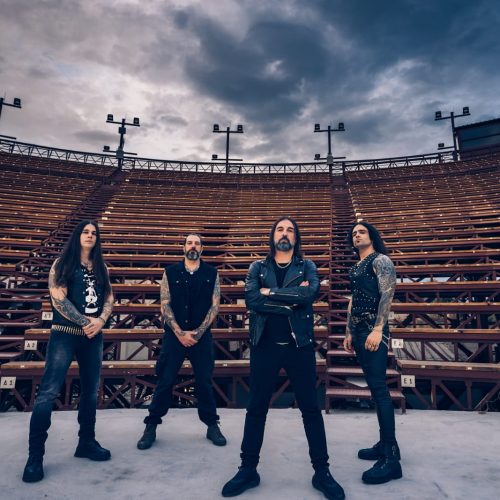
Auch DRUDKH könnten nach jahrelangem Kampf um Anerkennung langsam aber sicher ein bisschen mehr Zuspruch bekommen. Bereits sechs Platten haben die Herrschaften aus der Ukraine in der laufenden Dekade eingespielt, sich dabei ständig an den extremen des finsteren Metals bewegt, diese für sich neu ausgelegt, aber dennoch nie mit dem durchschlagenden Erfolg, den ihre Kreativität auf jeden Fall verdienen würde. Mit "Handful Of Stars" greifen DRUDKH nun ein weiteres Mal verzweifelt nach den Sternen und erreichen mit Album Nr. 7 eine weitere Stufe in ihrer niemals langweiligen Entwicklung. Inzwischen haben sich die Osteuropäer darauf konzentriert, die Atmosphäre ihrer Songs in den Vordergrund zu stellen und die Extreme des Black-Metal-Sounds nicht weiteer auszuloten. Das äußert sich auf dem aktuellen Release vor allem in einigen überlangen, immer noch dezent experimentellen Epen, bei denen psychedelische Elemente sowie eindringliche Wiederholungen einzelner Arrangements zu m Masterplan des Songwritings gehören. 'cold Landscapes' eröffnet als Intro bereits vorzüglich, leitet in ein schwerfälliges, aber in seiner düsteren Eindringlichkeit schon ssehr erhabenes 'Downfall Of The Epoch' über und gibt schließlich den Ton für das an, was in den folgenden Longtracks noch folgen soll. Mit 'Towards The Light' eerreicht das Ganze bereits den Höhepunkt: Perfide inszenierte Tempowechsel, kurze Eruptionen, starke Breaks, eine erhabene Atmosphäre und dazu sogar noch ein rockiger Birmingham-Groove, der als Kontrastmittel die Eigenständigkeit dieser Ukrainer sicherstellt - gefällig, gut, schließlich richtig stark! Mit 'The Day Will Come' greifen DRUDKH dann erstmals zu alten Stilmitteln, färben ihre Riffs schwärzer und strahlen auch wieder die Böartigkeit veergangener Tage aus - und auch hier gilt: Starke Kontrastwirkung, räudige Herangehensweise, elegante Performance und überzeugender Song. Schade daher, dass mit dem 'Listening To The Silence' betitelten Outro bereits wieder das Ende naht, ausgerechnet zu einem Zeitpunkt, an dem man sich so richtig warm gehört und Zutritt zur psychedelischen Welt dieser Band gefunden hat. Andererseits: Das Gehörte entschädigt für diesen rapiden Schlusspunkt und sollte DRUDKH darin bestärken, am eigenwilligen Konzept ihrer Musik festzuhalten. Irgendwann wird auch diese Risikofreude mal belohnt!
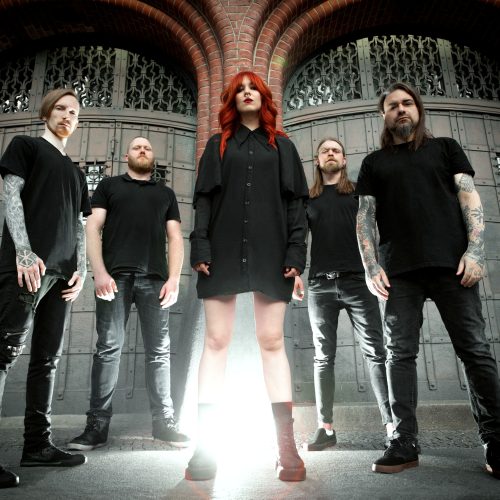
BRIEF SUM: Well done, professional and effective music. Drudkh's new album will present good times for those who like atmospheric and really dark black metal.
Az underground téren jártasabb metálosok számára a Drudkh nem lehet ismeretlen. Nem csak azért, mert Ukrajna nincs olyan messze hazánktól, és mert a hozzám közel álló black metal műfaján belül munkálkodnak, hanem azért is, mert ez egy olyan zenekar, akik minden egyes lemezükkel más perspektívából közelítik meg a black metál „zenélhetőségét" és ezúton való prezentálását is. Ha sorra veszem a lemezeket amiket eddig kiadtak, és egyenként külön külön kellene valami hasonlóságot bemutatnom a lemezek között, egy összefüggést ami túlmutat azon, hogy a zenekar neve egyezik, illetve, hogy black metalról van szó (és természetesen a szöveg témákról), csak egyetlen egy dolgot tudnék kiemelni. Mindegyik lemezt összekapcsolja, a változatosság. A stílus mindig ugyanaz és mégis változik, de a Handful of Stars lemez esetében a hatások érvényesülnek. Hat szám van a korongon introval és outroval együtt, és a felkavaró érzés, a szentimentalizmus, még soha de soha nem érződött egyetlen egy Drudkh alkotásnál sem, mint ahogy most érvényesül. Rögtön az intronál a „Cold Landscapes" esetében érezhető. A mély zongorajáték, annyira fájdalommal teli, és szomorú, hogy már már megsiratja a hallgatót, és még mielőtt ezt az érzést hatalmába kerítené a gnózis, rögtön átvált egy súlyosabb, maszlagosabb, kissé kaotikus érzésre a korong. Igen, a második dal a maga tizenkét percével nagyon de nagyon sokféle meglepetést tartogat számunkra. Gyakorlatilag a „Downfall of The Epoch" a shoegaze és a doom hatások vaskos és lassú lépdeléseit hivatott bemutatni. A shoegaze hatás és némi post érzés is szorult a „Towards the Light"-ba, de csak a kezdés erejéig, hiszen a felvezetés után brutális blastbeat darálás veszi át a szerepet, huzamosabb ideig. Meglepő, hogy egyre inkább váltanak a srácok gyorsról, lassúra, majd kezdetét veszi a körforgás. Nagyon megfűszerezi a dalt az akusztikus gitárok is, amikor éppen kíséretről van szó. Jól ki van keverve, hallható a torzított gitárok mellett, tisztán. A dal nagyon hasonlít egy Alcest szerzeményre. Nem koppintás, pusztán példaértékű miheztartás. Sorban a következő a „Twilight Aureole", ami nyugodt slágeres riffjeivel ellazítják a hallgatót. A majdnem kilenc percével, nagyon színes és érdekes témákat felvonultató alkotás, egyfajta sztoikus nyugalmat áraszt, ellensúlyozva egy kis elmeháborodottsággal, amit a tört ritmusokban véltek „ábrázolni". A „The Day Will Come" pedig egy izmos depresszív hangulattal bír, ami nagyon vontatott, és van benne egy gagyi szóló, majd egyszer csak hirtelen vége szakad. Levezetésként (mint outro) egy egyszerű és melankolikus dallamot játszó egy szál gitár zárja az összképet (Listening to the silence). Ennyi volna az új Drudkh lemez. Ami nem csak hogy zseniális, és piszok jól szól, de annyira súlyos hangulatot áraszt, annyira reménytelen és sötét, hogy azt emésztenie kell a hallgatónak sokáig. Nehéz darab, de különleges.
Rock Hard 8/10 - Italy - Sep 2010
Ancora non si è spenta l'eco del loro ultimo capolavoro Microcosmos ed ecco che i misteriosi Drudkh ritornano con un nuovo album, ormai l'ottavo in meno di dieci anni. Certo il fatto di non dover fare concerti né curarsi della promozione avvantaggia molto i Drudkh dal punto di vista del lavoro di composizione e registrazione, ma in fondo per noi che siamo dall'altra parte della barricata questo è anche un grande vantaggio perché per una volta non dobbiamo avere a che fare con interviste insignificanti o live show al di sotto delle aspettative, godendo invece dell'ascolto di un bel disco più spesso del solito. Tornando all'album, Handful Of Stars è un titolo che si può prendere alla lettera: tolte infatti l'intro e l'outro, ci ritroviamo in mano solo quattro tracce dai nove ai dodici minuti di durata. Per certi versi sembra di essere di fronte a delle outtake di Microcosmos, ma al tempo stesso si nota un'evoluzione che indulge sulle parti atmosferiche ed esplora più a fondo non tanto il post-rock introdotto di recente, quanto un progressive rock più archetipico. La splendida Towards The Light è n'unione di tutto ciò che i Drudkh sono stati fino ad ora, una sorta di manifesto che riassume l'intera essenza della band e la proietta in avanti verso lidi inesplorati. Tuttavia, anche a causa della bizzarra Twilight Aureole che insegue fin troppo certe soluzioni à la Opeth, Handful Of Stars non riesce a competere col perfetto equilibrio, con la densità e la profondità indiscutibili di Microcosmos, album ben più ricco ed originale. Questo non vuol dire che Handful Of Stars sia un disco deludente o superfluo, perché la band si mantiene sempre su livelli molto alti. Più che altro, questo album palesemente rivolto a chi conosce bene la musica dei Drudkh è la dimostrazione di come questi quattro fantasmi ucraini siano più umani di quanto vogliono apparire.
You would be correct in thinking there have been a lot of reviews featuring Drudkh. The Ukrainians have had all their past albums reissued by SoM after changing alliances from Supernal and are pretty damn prolific as it is. You certainly will not be seeing them crop up in the interview or live review section either, there is no change there and nor is there ever likely to be. Handful Of Stars is album number eight in a short seven year time span. The thing that does impress about the band is that whilst they are easily identifiable and you always know you are listening to Drudkh within a couple of minutes, they are adept at making each and every album different. This one was apparently mainly inspired by the lyrics of Ukrainian poets Oleksa Stefanovych and Svyatoslav Gordyskyj. I am sure that if you are not au fait with their work it will not spoil your enjoyment, Thurios is always going to sing like a wounded bear without any evident poetic annunciation and you will not be alone unless you happen to be an Eastern European poetic scholar who has a penchant for extreme music. Essentially this is four long tracks wrapped around a brief opening and closing instrumental. It clocks in under the ¾ of an hour mark and does leave you hungering for perhaps that bit more but then again another track could prove superfluous. After a short passage of maudlin classical piano we are thrust into 'Downfall Of The Epoch' and the lush spring uncoiling guitar sound stridently leaves you in no doubt exactly who you are listening to. Again the flow mesmerises but the song bounds off and canters away into the waiting trap that is those distempered vocals. The mid-paced tumult is just right for fist pounding exercise and the music bristles with a proud fervour, one that Ukrainian groups excel in providing. It is easy to lose yourself as more acoustic parts come into play, the melody is totally riveting as it flows through things and counterpoised with slightly gentler but no less indignant vocals, the song really gets beneath the skin. There are times when the guitar structures strike as more expansive than on previous albums as we progress, transgressing into 'post' rock and even Indie territories. The central melody on 'Towards The Light' is as suggests light and airy and full of romantic yearning and heartfelt passion. As it drops into a simple drum signature and guitar chord you are struck by the fragility and momentarily catch breath before it sets to build up again. Watch out for a classic sounding guitar solo which soars like an eagle then dropping into vocals swooping as it goes to snatch up its prey. I'm pretty sure I have enjoyed this one more than Microcosmos. It seems a bit more accessible even, due to the songs organic sounding simplicity. It is easy to find the melody of numbers such as 'Twilight Aureole' (a Drudkh title and a half) embedding themselves in your head and massaging you in their dream laden flow. As ever this takes the listener on a musical journey and one which is both masterful and majestic. Drudkh are somewhat unique and even if they had imitators that is all they would ever be. The one thing that I am not so sure about here is the album artwork but with music so good beneath it, this is somewhat irrelevant and who am I to question their muse? This glistening handful of stars is pure magic.